

There are places in the world that feel eternal.
Reynisfjara — Iceland’s legendary Black Sand Beach — is one of them. With its jet-black volcanic sand, roaring Atlantic waves, towering basalt columns, and the dramatic Reynisdrangar sea stacks rising offshore, it has long felt timeless. Unchanging. Almost mythic.
But over the past few weeks, nature has quietly — and dramatically — rewritten its shoreline. And the transformation has left locals, scientists, and travelers stunned.
The Basalt Columns… Now in the Sea
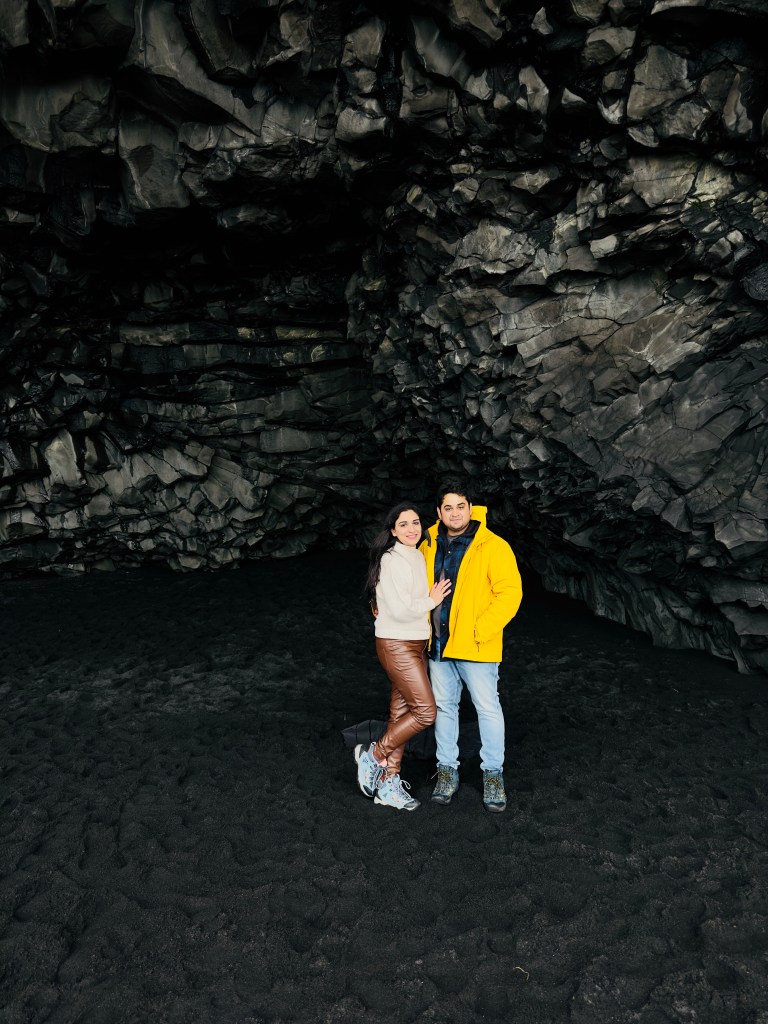
The iconic basalt columns of Reynisfjara look almost architectural — perfectly stacked hexagonal formations sculpted by ancient volcanic forces. For years, they stood firmly at the edge of the shoreline, forming the unmistakable backdrop of this world-famous beach.
Now, parts of them sit exposed in the ocean.
Unusually strong and persistent wave activity, driven by sustained easterly winds through January and early February, has stripped away vast amounts of black sand that once protected the base of the cliffs. What was once a wide stretch of beach has narrowed dramatically.
Locals describe the erosion as unprecedented. In some areas, the sea appears to have moved inland by dozens of metres. Sections that once felt expansive and walkable are now gone — claimed by the Atlantic.
The basalt is no longer simply part of the shoreline. It’s standing in the surf.
A Landscape of Legends Under Pressure
Reynisfjara has always felt otherworldly.
The contrast of volcanic black sand against crashing white waves. The rhythmic thunder of the ocean. The jagged silhouettes of Reynisdrangar — sea stacks steeped in folklore, said to be trolls turned to stone at sunrise.
It’s no surprise the beach is one of Iceland’s most photographed natural landmarks. It’s also part of the Katla UNESCO Global Geopark, internationally recognized for its geological significance and dramatic volcanic landscapes.
Coastal erosion is nothing new here. Iceland’s shores have been shaped over millennia by volcanic activity and the relentless force of the North Atlantic. What makes this moment different is the speed and scale of change.
Even long-time residents say they have never seen the coastline shift this quickly. Nature isn’t just shaping Reynisfjara.
It’s actively reshaping it.
Beauty With a Warning
Reynisfjara has always carried a quiet danger beneath its beauty.
The beach is infamous for “sneaker waves” — sudden, powerful surges that rush up the sand without warning. These waves have caused serious accidents in the past, leading to the installation of warning lights, safety signage, and designated viewing platforms.
Now, with the shoreline altered and the protective sand stripped away, caution feels even more urgent.
Walking paths and access areas are closer to the water than before. Some spots that were once reachable are no longer safely accessible. Authorities continue to monitor the coastline closely, reminding visitors to stay on marked paths and respect safety signals. At Reynisfjara, the ocean doesn’t negotiate.
It commands respect.
A Living, Breathing Coastline
Standing on the black sand — what remains of it — you feel something profound.
We often think of landscapes as permanent. We photograph them, bookmark them, add them to bucket lists as if they will wait for us unchanged.
But Reynisfjara is a reminder that Earth is dynamic. This is a living coastline. A place still in motion. Still being sculpted by wind, wave, and time.
Perhaps sand will return in the months ahead. Perhaps the shoreline will shift yet again. That uncertainty is part of Iceland’s raw magic. The Black Beach may look different today than it did last season.
And that is exactly what makes it unforgettable.
A Moment We’ll Never See the Same Way Again
As we stood there together, the wind tugging at our jackets and the Atlantic roaring in front of us, we realized something quietly powerful.
Travel isn’t just about seeing places. It’s about witnessing moments.
We did see the Reynisfjara that existed in old postcards. We saw the Reynisfjara — raw, exposed, shifting. Because we weren’t just visiting a landmark. We were watching the Earth change. Something that is now changed for ever. And long after the black sand washed off our shoes, that feeling will always stay with us.
 Two Yellow Jackets