

Today is another big driving day covering aprox. 200kms but also covering some of the most visited places – Jaðrárgljúfur, Reynisfjara black sand beach, Dyrholaey Arch, Skógafoss, Seljalandsfoss, and Gljúfrabúi. Remember we travelled more last evening and hence we could use that to our advantage today and cover more and spend more time at each place. Some of the most important places we covered today were:
FJAÐRÁRGLJÚFUR
Tucked away in southeast Iceland, not far from the village of Kirkjubæjarklaustur and just off the Ring Road, lies the breathtaking Fjaðrárgljúfur Canyon — a name that’s as tricky to pronounce as the views are unforgettable! Known as the “Feather River Canyon,” this natural wonder features sheer cliffs and a winding river that carves its way through the dramatic landscape. The canyon stretches about 2 km in length and plunges up to 100 meters deep, creating endless photo opportunities at every turn. A scenic hiking trail runs along the edge, offering incredible vantage points of the canyon and the meandering Fjaðrá river below.
Hiking here was truly one of the highlights of our trip. With every step, the view seemed to get better — the kind that makes you stop in your tracks just to take it all in. We did have a drone, but honestly, it didn’t matter. Standing at the edge and watching the river snake its way through the canyon felt magical enough. The beauty of this place isn’t just in the photos you take, but in the peaceful, almost otherworldly atmosphere that stays with you long after you’ve left.
REYNISKIRKJA CHURCH
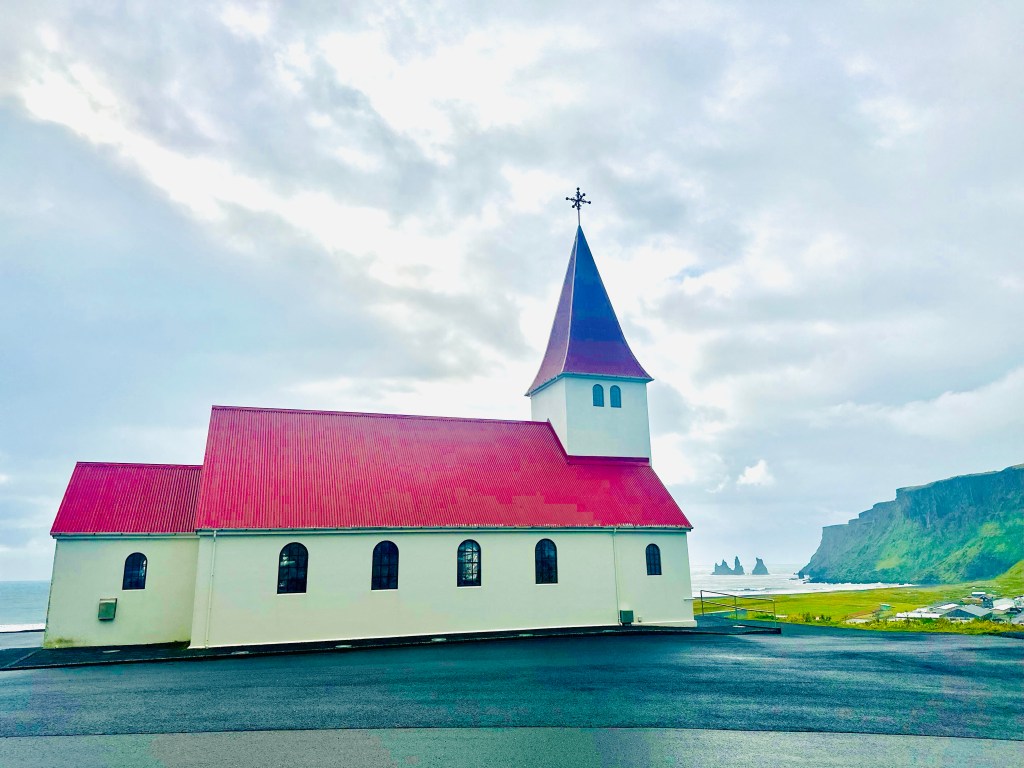
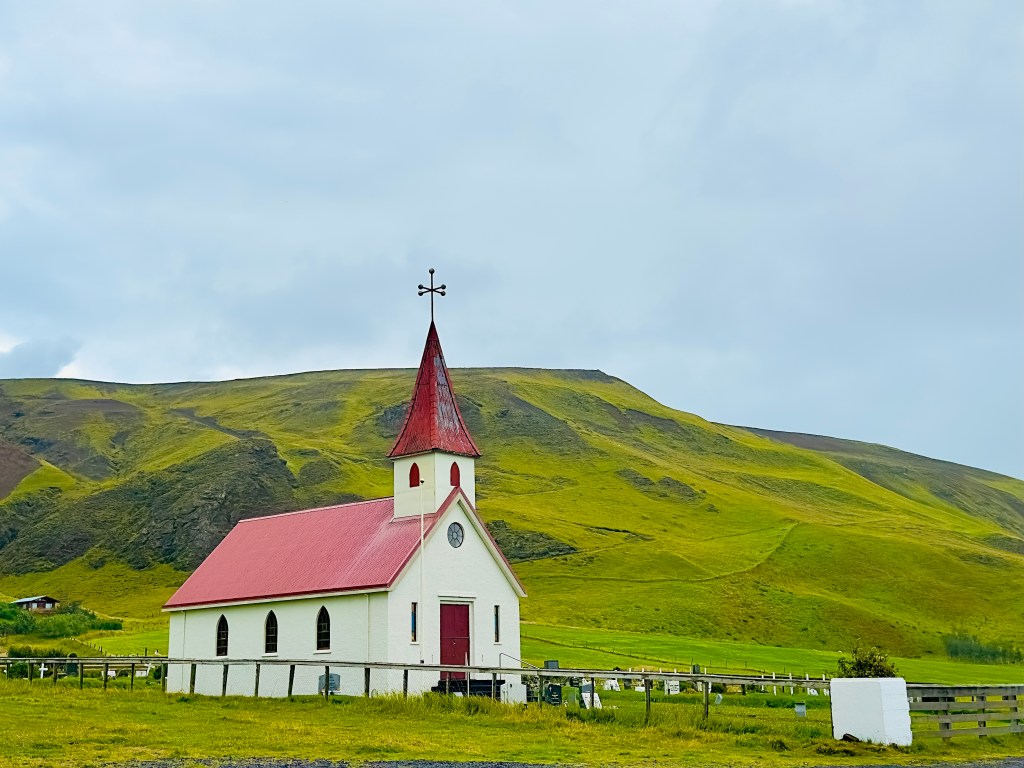
Reyniskirkja Church is a charming and iconic landmark in the small, picturesque town of Vík í Mýrdal. Perched on a hill, this striking red-roofed church offers breathtaking views over the black sands of Reynisfjara Beach and the dramatic Reynisdrangar basalt sea stacks rising out of the Atlantic. Seeing the vivid red church framed against the rugged coastline and towering sea stacks was truly a sight to remember — a perfect blend of nature and Icelandic architecture. At the base of the hill, the town bustles quietly with shops, cozy restaurants, and even a handy supermarket. We took the opportunity to grab a quick lunch, warm up, and do a little shopping at the IceWear showroom before continuing our adventure.
SKOOL BEANS CAFE
the heart of Vík, you’ll find Skool Beans — Iceland’s first micro roaster and tea lab set inside a retro school bus. This quirky little spot is a true hidden gem, serving up expertly crafted coffee, specialty teas, and indulgent hot chocolates. Step aboard, and you’re welcomed by rustic interiors that perfectly reflect the character of the surrounding landscape, while also celebrating the bus’s vintage charm.
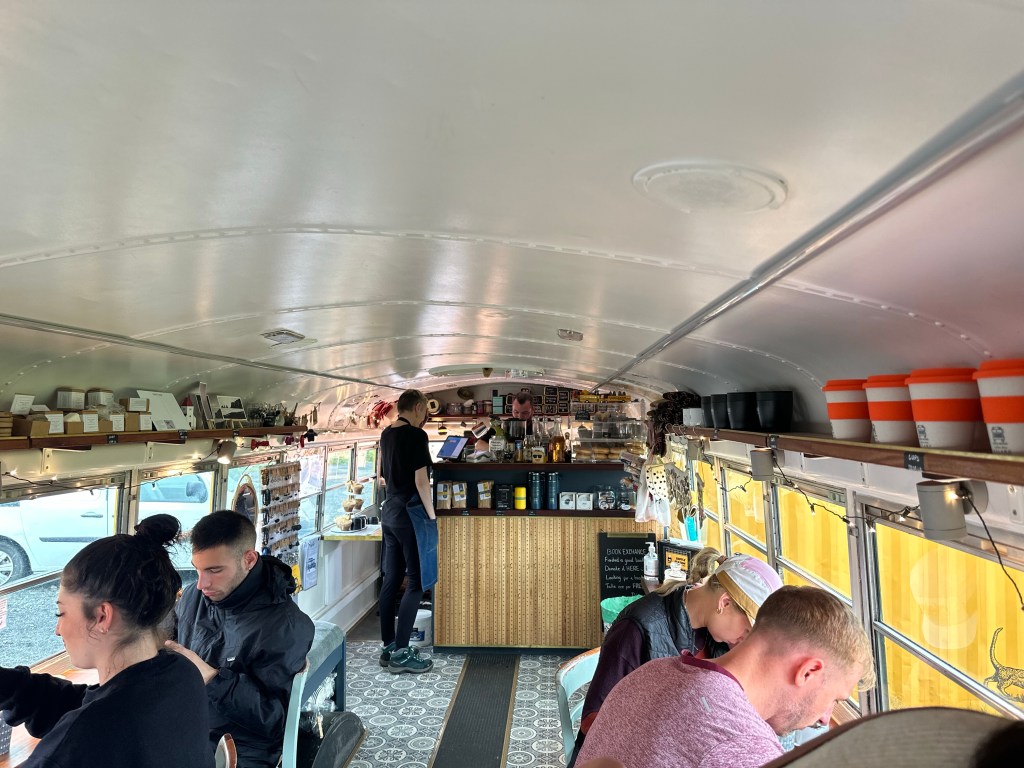

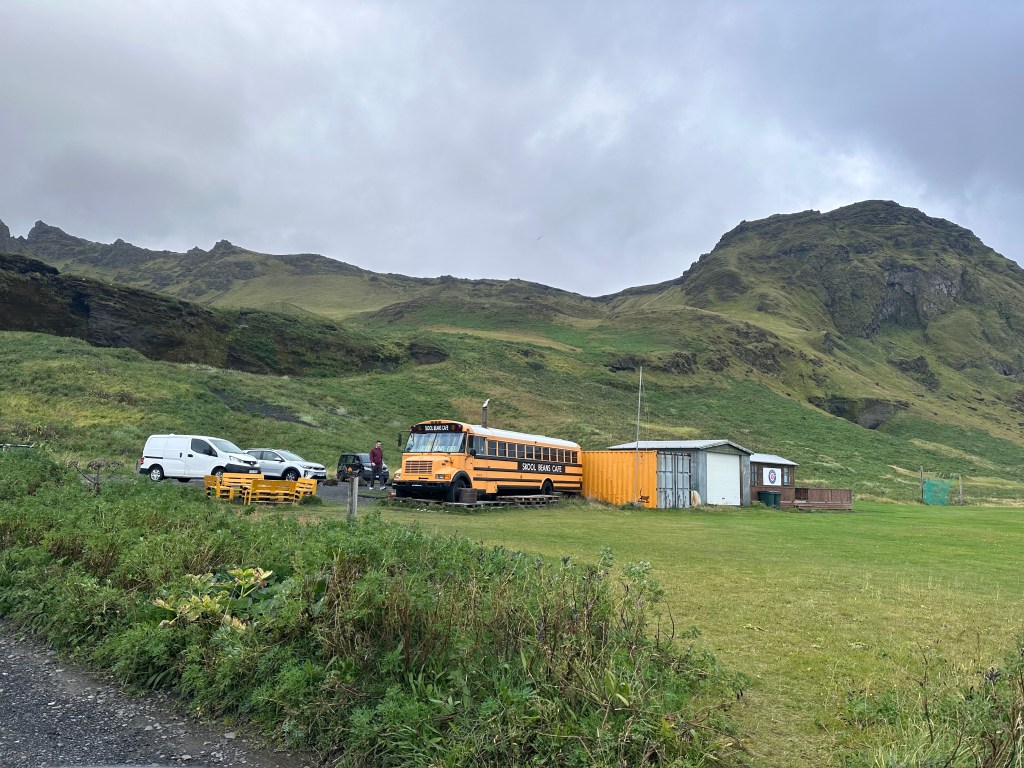
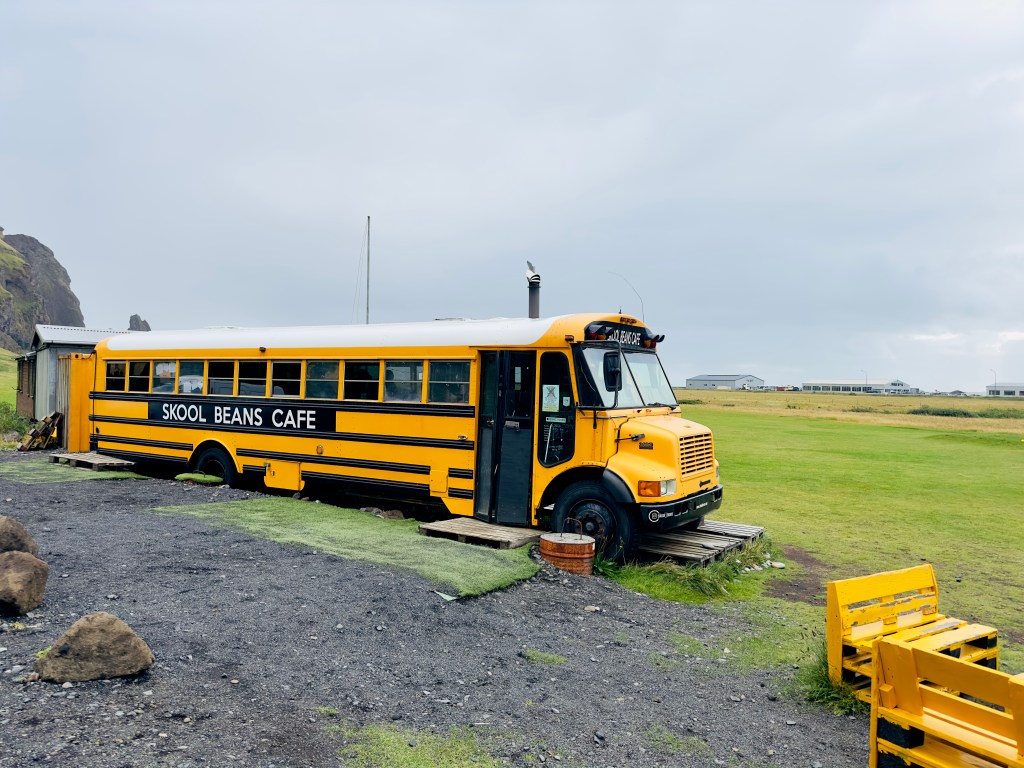
You can cozy up by the log-burning stove and chat with fellow travelers, or simply watch the world go by through the bus’s large windows. We had purposely kept our earlier lunch light because we didn’t want to miss out on their coffee and freshly baked muffins — and they did not disappoint! Everything was delicious, and we’d highly recommend stopping at this small but delightful café as you pass through Vík.
REYNISFJARA BEACH
Reynisfjara Beach, located along Iceland’s dramatic southern coast, is famous for its striking black volcanic sand and towering basalt columns that look like something out of a fantasy world. This iconic beach draws visitors from around the globe, eager to capture its otherworldly beauty — from the giant cave carved into the cliffs to the jagged Reynisdrangar sea stacks that rise just offshore. Legend has it that these sea stacks are trolls turned to stone, adding a touch of Icelandic folklore to the already magical landscape.

As mesmerizing as the beach is, it’s important to stay cautious. Sneaker waves — unexpected, powerful waves — can appear out of nowhere, surging up the shore and sweeping people into the sea. It sounds like a myth, but it’s very real; in fact, there have been tragic incidents here. Thankfully, there are clear signs at the beach entrance advising when it’s safe to visit.

Despite the crowds, we found plenty of perfect spots for photos and to soak in the scenery. Parking is free, and there’s a small café near the lot where you can warm up with a coffee. For those hoping to spot puffins, many visitors climb the nearby hill for a chance to see these charming birds perched along the cliffs.

DYRHÓLAEY LIGHTHOUSE & ARCH
Located about 174 km from Reykjavík — roughly a 2.5-hour drive — Dyrhólaey is a must-see stop along Iceland’s south coast, not far from the charming village of Vík, the southernmost village in the country. Once an island, this dramatic promontory now offers some of the most spectacular coastal views in the region. The whole area is absolutely captivating, and honestly, I could have stayed there for hours just taking it all in — I completely fell in love with this spot.
If you’re driving east along the Ring Road (#1), look out for the turn onto road 218. Follow this road to the end, but here’s a tip: you’ll come to a point where you can either continue straight or take a right turn up the hill. This is because Dyrhólaey is divided into two sections — the upper and lower areas. I highly recommend making that right turn and heading to the top, where the views are simply breathtaking. Afterward, don’t miss finishing the drive along the lower part of road 218. From there, you’ll be rewarded with sweeping views of the coastline and a beautiful stretch of black sand beach to explore.
SKÓGAFOSS & WATERFALL WAY
Skógafoss is one of Iceland’s most iconic waterfalls. This waterfall is massive and you can stand right in front of it to truly appreciate its size.

What most people don’t know is that you can hike past Skógafoss and visit 25 more waterfalls. Called the Waterfall Way, this hiking trail, which is also the start of the amazing Fimmvörðuháls hike, follows along the Skógá River, passing 25 smaller waterfalls along the way. The views of the lush, green canyons are gorgeous and just might be one of the best, unexpected highlights of the day.
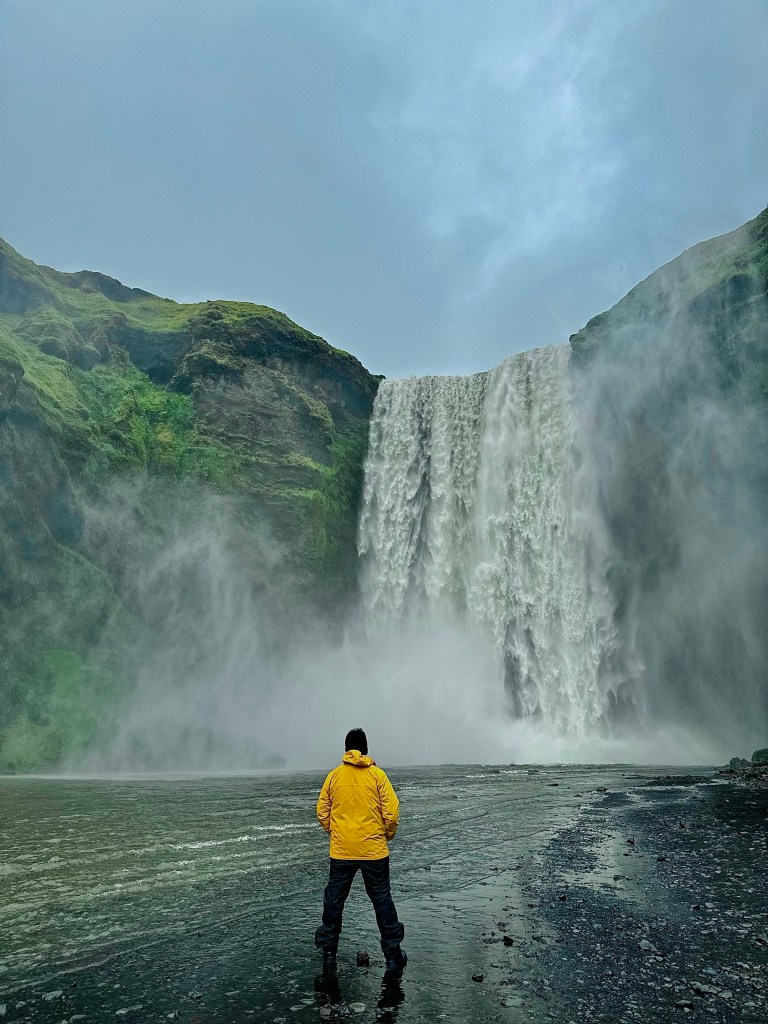
To see all 25 waterfalls, you have to walk 5 miles upriver (10 miles round trip). Of course, you don’t have to walk the entire distance. Just turn around when you are ready.
KVERNUFOSS
Kvernufoss is another beautiful waterfall that you can walk behind. It is a smaller, less visited version of Seljalandsfoss. Park at the Skógar Museum and it is a 10-minute walk to get to the waterfall.
Note: This waterfall is located on private property. Stay on the trail and do not litter or leave behind any trash. Even if you do not have plans to visit the Skógar Museum, you will have to pay a small fee to park here.
SELJALANDSFOSS & GLJÚFRABÚI
Seljalandsfoss is another unique waterfall in Iceland that you can walk behind. A path and a very short walk takes you behind the fall where you can experience the sound and raw power of nature but do plan to bring a raincoat as you will get soaking wet from the drizzle. It is more impressive than Kvernufoss but it is also more crowded. It’s one of the Best-known Waterfalls in Iceland which is 60m tall and it is breathtakingly Beautiful.
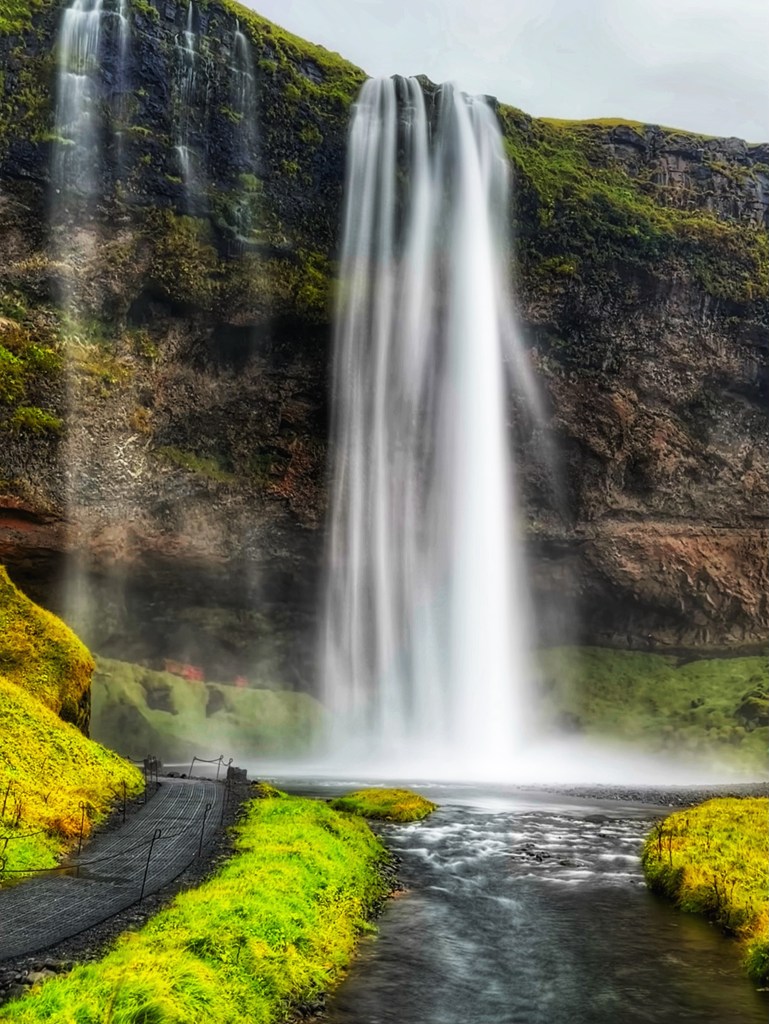
On a sunny day, you can capture a rainbow in the water spray. This also makes a beautiful sunset destination in Iceland.
Gljúfrabúi, the hidden waterfall, is a small waterfall that is tucked away in a canyon. To see this waterfall up close, you will have to walk along stepping stones in a stream, but it’s a fun experience, just as long as you don’t mind the risk of getting your feet wet.

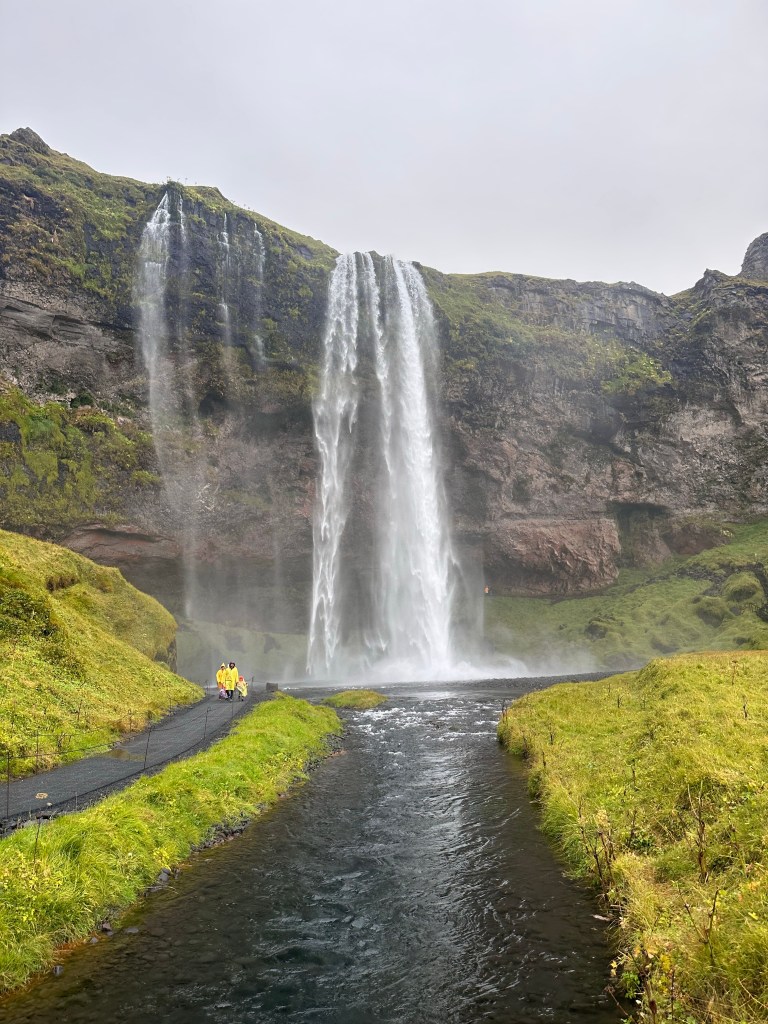
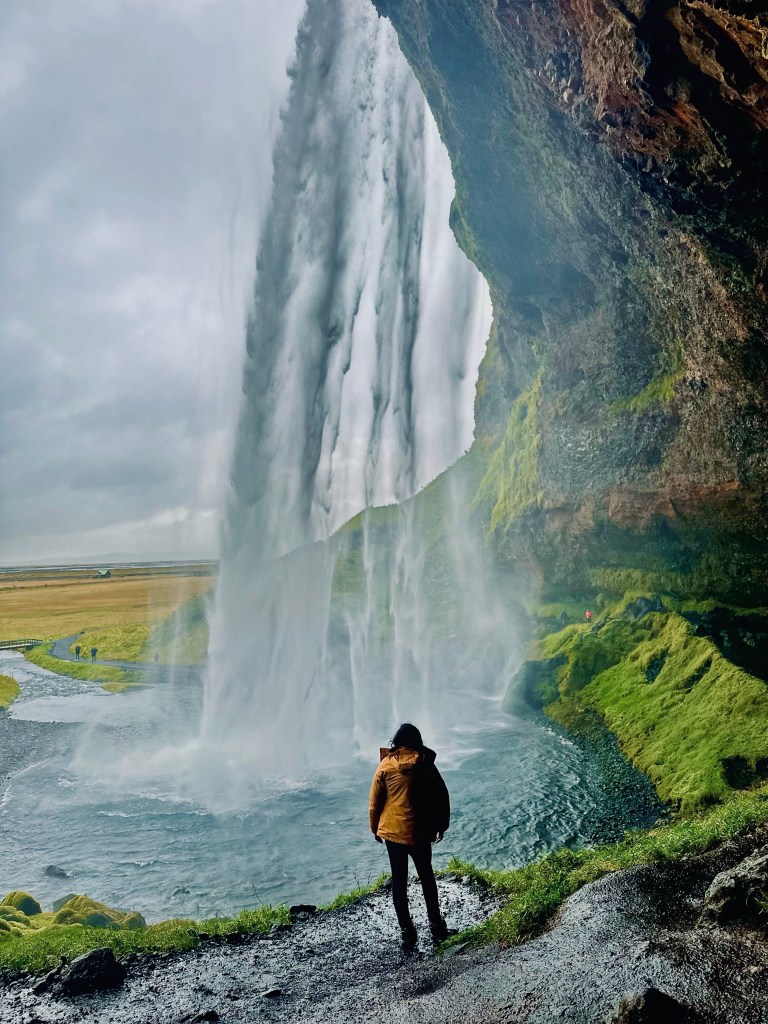

How to Visit Seljalandsfoss & Gljúfrabúi: Seljalandsfoss and Gljúfrabúi are free to visit but you will have to pay for parking (700 ISK). Park in the large parking lot and pay your fee at the booth. It’s a very short walk to Seljalandsfoss, and then it takes about 5 minutes to walk to Gljúfrabúi. To visit Seljalandsfoss and Gljúfrabúi together, it takes 30 to 60 minutes.
SOLHEIMASANDUR PLANE WRECK
One of Iceland’s most haunting and surreal landmarks, the Solheimasandur Plane Wreck, sits silently on a stark black sand beach, offering a dramatic contrast against the endless Atlantic horizon. The remains of the US Navy DC-3 aircraft, which crash-landed here in 1973 after running out of fuel (thankfully, with no fatalities), have become an iconic site for photographers and adventurers alike. Reaching the wreck requires a flat 45-minute hike across a seemingly endless stretch of desolate volcanic sands — an otherworldly trek that feels like walking on another planet. When you finally spot the wreckage, its weathered fuselage and twisted metal frame tell a powerful story of resilience and isolation, making it a must-visit for those craving a blend of history, mystery, and raw natural beauty.
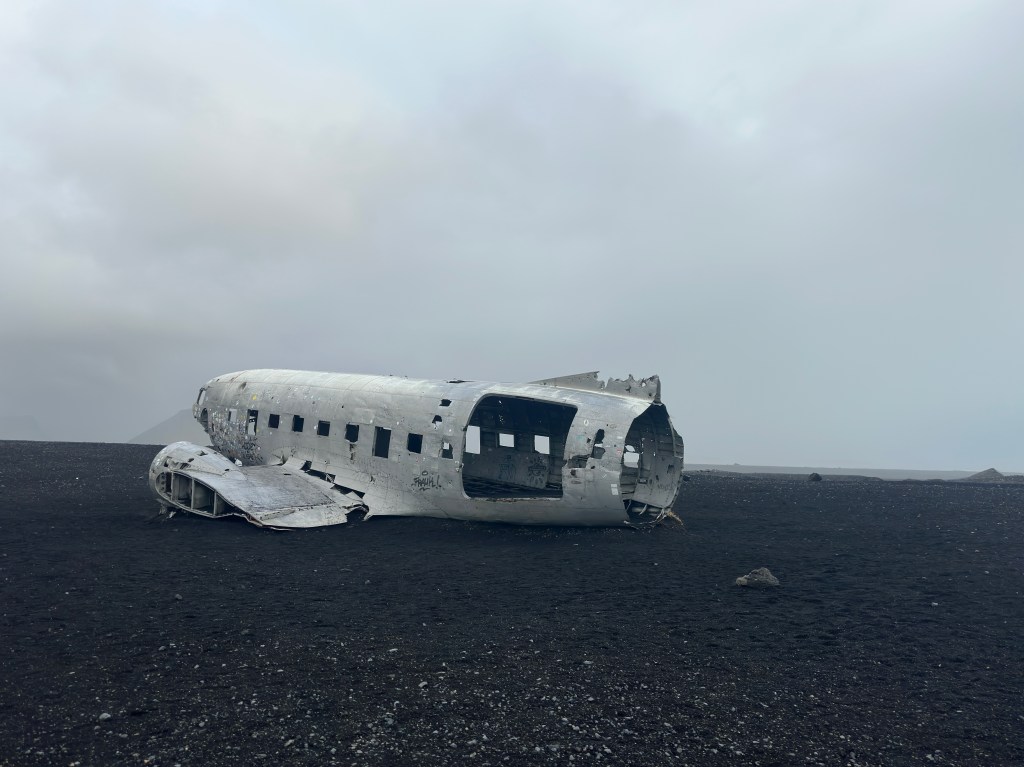
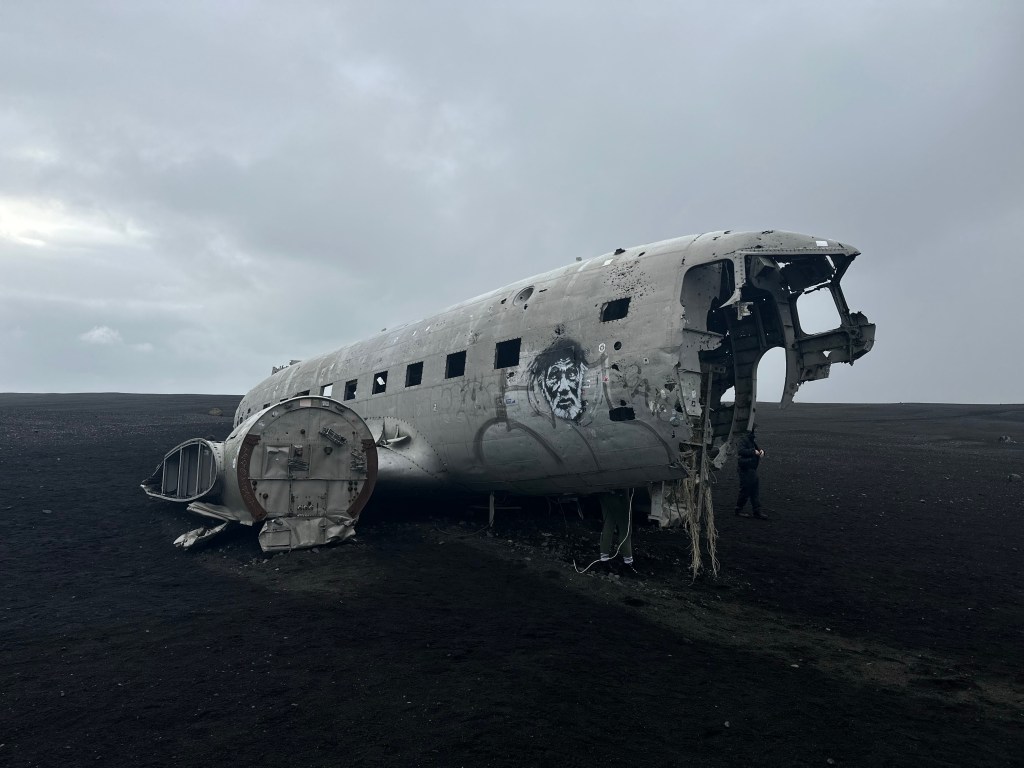
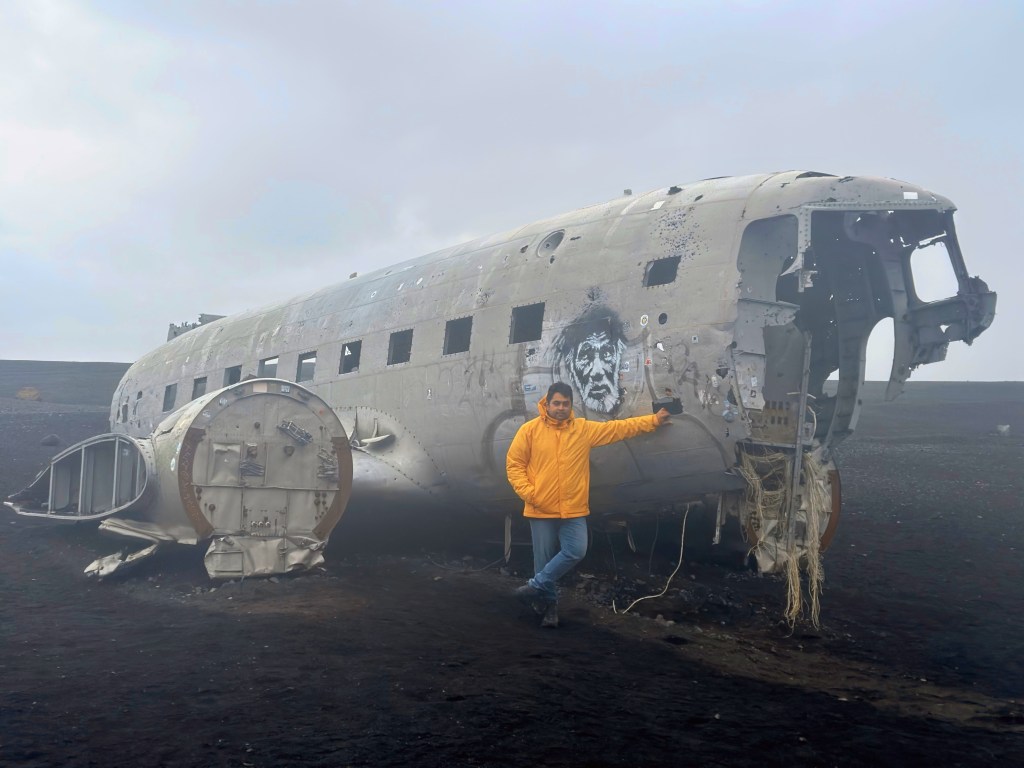
As we made our way toward the plane wreck, it rained on us five different times — each shower appearing out of nowhere and vanishing just as suddenly, as if it had never happened. The whole experience felt surreal. The wind was so fierce that we’d get completely soaked, only to be dried off within ten minutes before the cycle started all over again. In one of the photos below, you can actually see the front of my jeans still wet — oddly enough, the wind had only managed to drench that part!
Tonight, sleep on the Golden Circle.
 Two Yellow Jackets
Beautiful captures! Iceland’s natural beauty is all around!
LikeLike